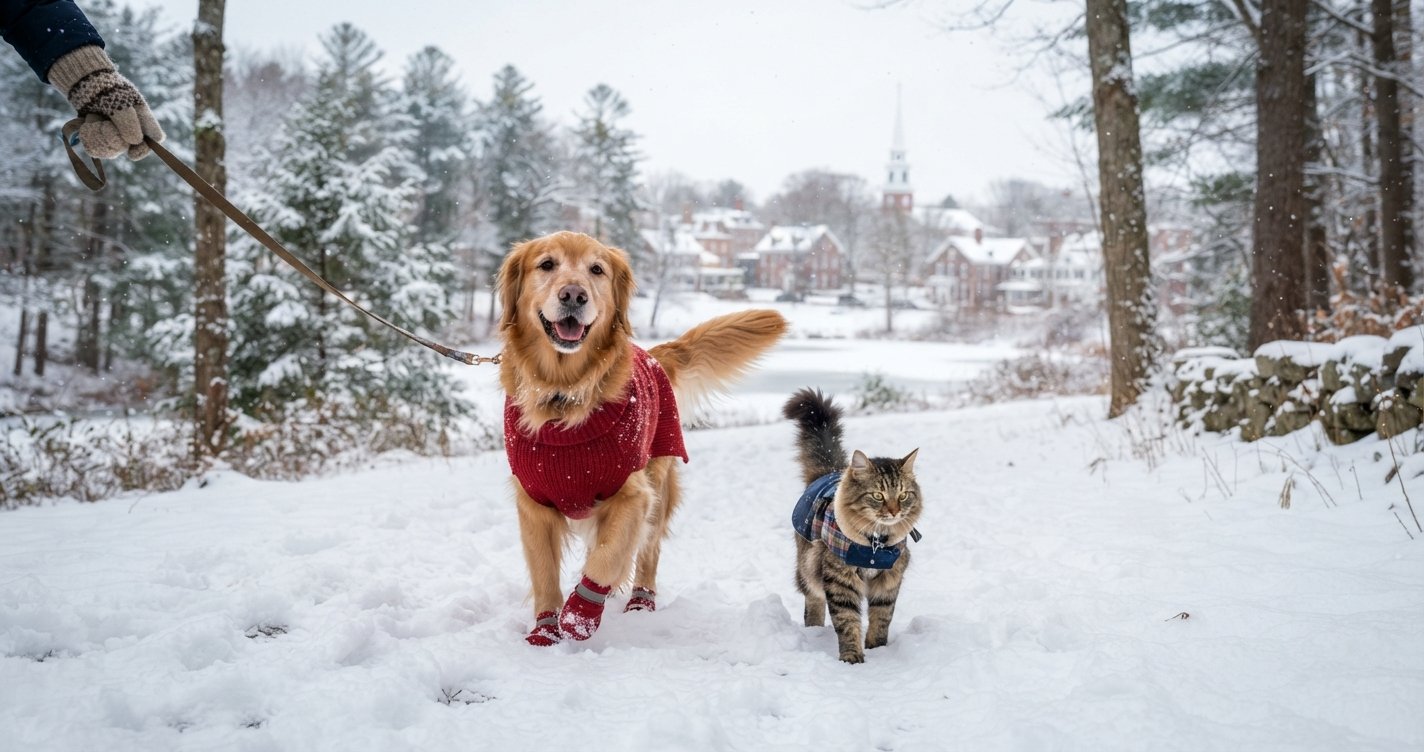
Chelmsford winters aren’t gentle sub-freezing mornings, icy sidewalks, and the kind of biting wind that makes even a well-insulated dog want to turn back after five minutes. A thick coat helps, but it’s a common myth that fur alone protects dogs and cats from the cold the way it protects wild animals adapted to that specific climate. Most pets need active protection through a New England winter, not just their natural coat.
The Two Biggest Risks: Frostbite and Hypothermia
Frostbite
happens when skin and the tissue underneath are damaged by extreme cold, and it most commonly affects areas with less fur coverage ears, tail, paws, and nose. It’s harder to spot than you’d expect; the full damage sometimes isn’t obvious until a few days after exposure. If you suspect frostbite, bring your pet indoors right away and gently warm the affected area with warm never hot water, without rubbing or massaging it, and get veterinary care promptly.
Hypothermia
is what happens when a pet’s body temperature drops significantly below normal from cold exposure, and left untreated it can affect organ function and become life-threatening. Watch for whining, shivering, unusual anxiousness, slowing down or stopping movement, weakness, or a pet suddenly seeking out warm places to burrow all of these are signs to get your pet back inside quickly.
If you suspect hypothermia, bring them in immediately and wrap them in warm blankets or use a warm (not hot) water bottle wrapped in a towel while you arrange veterinary care.
Cold tolerance genuinely varies by breed, coat type, age, body condition, and health status. Small-breed dogs, senior pets, and short-coated breeds are especially sensitive, and pets with diabetes, heart disease, kidney disease, or hormonal conditions can have a harder time regulating body temperature in cold weather, which can worsen those underlying conditions.
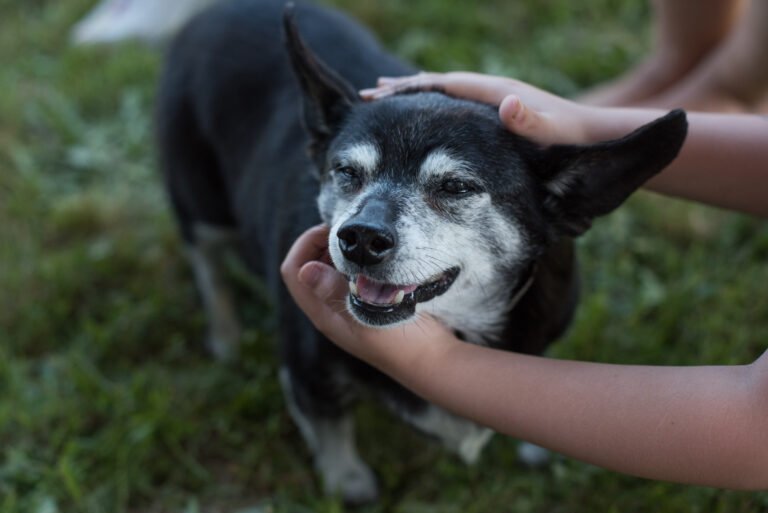
A husky bred for cold climates and a short-coated senior chihuahua simply don’t have the same safe outdoor time limit, even on the same afternoon.
Smart Winter Dog Walking
- Shorten walks, don’t skip them.
- In genuinely cold conditions, several short walks tend to be safer than one long one enough for exercise and bathroom breaks without prolonged exposure.
- Protect paws.
- Petroleum jelly or a vet-approved paw protectant applied before heading out helps guard against salt and ice-melt irritation, and a rinse or wipe-down of paws after the walk removes any residue before your dog can lick it off.
- Watch for the early “I’m cold” signals
- lifting a paw off the ground repeatedly, slowing down, or trying to turn back toward home. These are worth listening to rather than pushing through.
- Never let a dog off-leash on snow or ice.
- Dogs can lose their scent trail in snow and become lost more easily than in other seasons more dogs go missing in winter than in any other time of year, so a secure leash and a visible, up-to-date ID tag matter more, not less, in winter.
- Avoid frozen ponds and lakes entirely.
- If a pet breaks through ice, resist the urge to attempt a rescue yourself call for emergency help rather than risking a second person going into freezing water.
Keeping Cats Safe
Cats are generally safest kept indoors during a Massachusetts winter, given their smaller body size and lower fat reserves compared with most dogs. If your cat does spend any time outdoors, the biggest hidden danger is often not the cold itself but a warm car engine outdoor and feral cats will climb into an engine bay for warmth, which can be fatal when the car starts. Before starting your car on a cold morning, check underneath, bang on the hood, and give the horn a quick tap to give any cat time to move away.
Household Hazards That Spike in Winter
- Antifreeze is highly toxic to both dogs and cats, and even a small amount ingested can be lethal. Clean up any spills immediately and thoroughly, and where possible choose products containing propylene glycol rather than ethylene glycol.
- Ice-melt products can be dangerous if ingested and can also irritate paw pads. Store them well out of reach and wipe your pet’s paws after walks on treated sidewalks.
- Space heaters are a common source of house fires and burns when a pet sleeps too close to one or knocks it over use them with real caution around curious pets, and never leave one running unattended near a pet bed.
- A little extra food in winter isn’t a bad idea for most healthy pets they burn more energy trying to stay warm but check with your vet on appropriate portion sizes rather than guessing, particularly for pets with existing weight or health concerns.
When You’re Away During Winter Weather
Massachusetts winters bring a specific complication for pet owners who travel or work long hours: unpredictable storms, power outages, and roads that can turn a normal commute into a much longer one. A pet left alone during a winter storm without someone able to check on heating, food, and water is a genuinely different risk profile than the same situation in summer. Having a reliable local pet sitter who can adjust to weather conditions checking in during a storm, making sure indoor heating is working, or simply shortening a walk safely on an icy day removes a layer of risk you can’t fully manage from a distance.
Lisa’s dog walking and pet sitting services are built around exactly this kind of local, weather-aware flexibility for Chelmsford pet owners walks adjusted to actual conditions on the day, paw care built into the visit, and a familiar person checking in rather than leaving a pet to manage an unpredictable New England winter alone. If you’re planning travel this season, it’s worth reading our guide on preparing your home before you travel alongside this one, since winter travel prep has a few extra considerations beyond the basics.
Frequently Asked Questions
How cold is too cold to walk my dog?
There’s no single temperature that applies to every dog it depends on breed, coat, age, and health. As a general rule, if your dog is showing signs of discomfort (lifting paws, shivering, trying to turn back), it’s too cold for that particular walk, regardless of what the thermometer says. Short, frequent walks are generally safer than one long outing in genuinely cold conditions.
Can dogs get frostbite even with a thick coat?
Yes. Frostbite typically affects areas with less fur coverage ears, tail, paws, and nose regardless of how thick a dog’s overall coat is, so coat thickness alone doesn’t fully protect against it.
Is it true that cats and dogs are naturally more cold-resistant than people?
No this is a common misconception. Like people, cats and dogs are susceptible to frostbite and hypothermia, and while some cold-climate breeds tolerate cold better than others, no pet should be left outside for long periods in below-freezing weather.
What should I do if I think my pet has hypothermia?
Bring them inside immediately, wrap them in warm (not hot) blankets, and contact your veterinarian right away. Warm water bottles wrapped in a towel can help while you arrange care, but veterinary attention is important for anything beyond mild, brief exposure.
Do I need to worry about ice-melt products around my pet?
Yes. Ice-melt chemicals can irritate paw pads and be harmful if ingested when a pet licks their paws afterward. Wiping paws after a walk on treated surfaces and storing these products securely reduces the risk.
Conclusion
A Massachusetts winter asks more of pet care than most other seasons shorter, more frequent walks, closer attention to paws and cold tolerance, and a bit more vigilance around household hazards like antifreeze and space heaters. Recognizing the early signs of frostbite and hypothermia, and having a reliable local sitter who can adapt to actual weather conditions, keeps both dogs and cats safer through the coldest months.
Need reliable winter dog walks or pet visits in Chelmsford? Get in touch to arrange winter care built around your pet’s cold tolerance and your household’s schedule.
My Weather Policy explains how walks and visits are handled during snow, cold snaps, storms and power outages.
Need someone you can trust with your pet?
Talk with Lisa about dog walking, cat visits, overnight sitting and boarding in Chelmsford, MA.